Building Sustainable Communities: The Role of Concrete in Green Construction Feb 20, 2026
Green construction is about creating buildings that minimize environmental impact while maximizing energy efficiency and resource conservation. Concrete, when used wisely, is a perfect fit for this ethos. One major advantage of concrete is its longevity. Concrete structures stand the test of time, reducing the need for frequent repairs or replacements, thus conserving resources and reducing waste. This durability means that concrete structures can be a staple in eco-friendly building design.
Additionally, concrete is a highly energy-efficient material. Its thermal mass properties allow it to absorb and retain heat, maintaining stable temperatures inside buildings. This characteristic is invaluable for reducing the dependence on artificial heating and cooling systems, ultimately lowering energy consumption and utility costs. For developers and builders keen on constructing energy-efficient homes, concrete provides a reliable solution.
In the quest for sustainability, the materials used in construction are just as important as the design itself. With advancements in technology, the production process of concrete has become more environmentally friendly. Manufacturers are increasingly opting for supplementary materials such as fly ash or slag, byproducts from other industries, to replace traditional materials like Portland cement. Not only do these alternatives reduce the carbon footprint associated with concrete production, but they also improve the strength and durability of the final product.
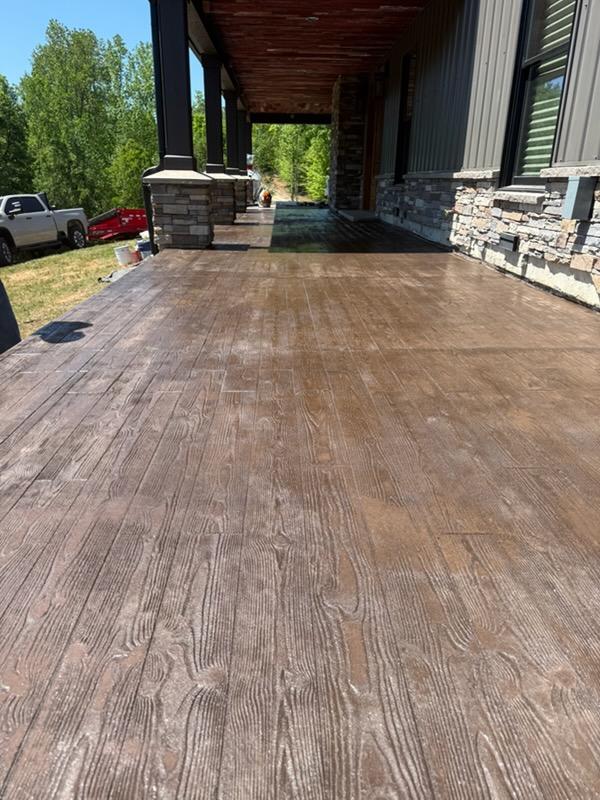
Moreover, concrete is an incredibly versatile material. It can be molded into almost any shape, facilitating innovative and custom designs that maximize space and efficiency. This adaptability supports architects and builders in pushing the boundaries of sustainable design, leading to structures that not only conserve resources but also blend seamlessly with their environment.
It's also worth noting the role of concrete in water management, a critical aspect of green construction. Permeable concrete, designed to allow water to pass through, helps manage stormwater runoff. It minimizes erosion and decreases the likelihood of flooding, making it ideal for urban areas prone to heavy rains. By improving water management in cities, concrete contributes to sustainable urban development.
Furthermore, recycling possibilities make concrete an even more sustainable option. Old concrete can be crushed and reused as aggregate in new concrete mixtures. This reduces the need for new raw materials and diverts vast amounts of waste from landfills. As the industry continues to innovate, the use of recycled materials is likely to grow, further embedding concrete in the realm of sustainable construction.
At DH Construction & Concrete, we understand the potential of concrete in fostering green communities. Through mindful selection of materials and innovative building practices, we aim to use concrete to create environments that are not only durable and functional but also environmentally responsible.
To conclude, concrete is a formidable ally in the pursuit of sustainable construction. Its durability, energy efficiency, and adaptability make it essential in building a future that prioritizes environmental stewardship. In working together, builders and communities can harness the strengths of concrete to build greener, more sustainable spaces that benefit everyone. Whether through individual home projects or larger urban developments, concrete's role in sustainable construction is as crucial as ever.
/filters:no_upscale()/filters:format(webp)/media/7ed80fa4-3eec-4ce4-8d54-0e7557c11dff.jpeg)
/filters:no_upscale()/filters:format(webp)/media/9ead1471-5b96-4b9a-806d-f1ea92b3abdf.jpeg)