Innovative Uses of Reinforced Concrete in Modern Infrastructure Apr 11, 2026
Imagine a bustling city skyline. Beneath the artwork of glass facades and steel frames lie countless structures built with reinforced concrete. This material has revolutionized how we approach construction, allowing us to create robust foundations and aesthetically pleasing designs. But what makes reinforced concrete so ideal for modern infrastructure?
First, let's discuss durability. Reinforced concrete is celebrated for its remarkable resilience. It remains a preferred choice for structures designed to withstand harsh weather conditions and natural disasters. Bridges, skyscrapers, and dams benefit from its strength, ensuring safety and longevity in an ever-changing environment.
Versatility is another impressive aspect of reinforced concrete. Architects and engineers leverage its adaptability to bring visionary projects to life. From undulating forms to minimalist designs, reinforced concrete provides the flexibility needed to meet diverse architectural demands. Its ability to be molded into virtually any shape with ease contributes to the dynamic appearance of today's infrastructure.
Additionally, the sustainability of reinforced concrete cannot be overlooked. With increasing focus on sustainable construction practices, reinforced concrete offers a significant advantage. By utilizing local materials and reducing transportation emissions, it reduces the carbon footprint. Cold climates, where energy conservation is a concern, benefit from concrete’s thermal mass properties. It helps maintain interior temperature, reducing the need for extensive heating or cooling.
Integration of technology with reinforced concrete advances its applications even further. Innovations, such as self-healing concrete, are emerging. This type of concrete contains microcapsules that release a healing agent when cracks appear, enhancing longevity and reducing maintenance costs. Smart concrete that incorporates sensors is also on the rise. It provides real-time data regarding structural health, promoting proactive decision-making in maintenance and emergency response.
In the realm of urban development, reinforced concrete plays a vital role in transportation infrastructure. High-speed rail networks, sprawling highways, and metropolitan transit systems rely on reinforced concrete due to its strength-to-weight ratio and ability to efficiently bear loads. This ensures seamless and safe transport, which is critical in bustling urban environments.
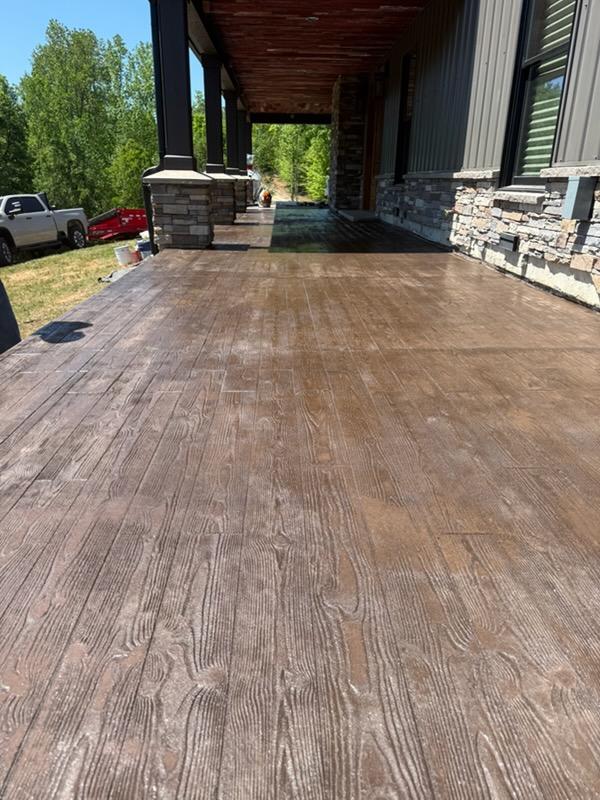
Moreover, reinforced concrete’s contribution to architectural aesthetics should not be underestimated. The material allows designers to express creativity, expanding the possibilities of urban spaces. The skyline of a city often features striking examples of engineering marvels achieved through innovative use of concrete.
At DH Construction & Concrete, we are committed to exploring the potential of reinforced concrete in modern infrastructure. We understand that as cities grow and technologies evolve, the demand for innovative construction solutions will continue to rise. By embracing advancements in reinforced concrete, we contribute to a sustainable and resilient future.
Concluding, reinforced concrete stands as a pillar of modern infrastructure, merging durability, versatility, and sustainability. Its innovative applications in today's architectural and urban development landscape make it indispensable. As demands on infrastructure grow, reinforced concrete will remain an essential medium, shaping a future that balances strength, efficiency, and creative design.
/filters:no_upscale()/filters:format(webp)/media/7ed80fa4-3eec-4ce4-8d54-0e7557c11dff.jpeg)
/filters:no_upscale()/filters:format(webp)/media/9ead1471-5b96-4b9a-806d-f1ea92b3abdf.jpeg)