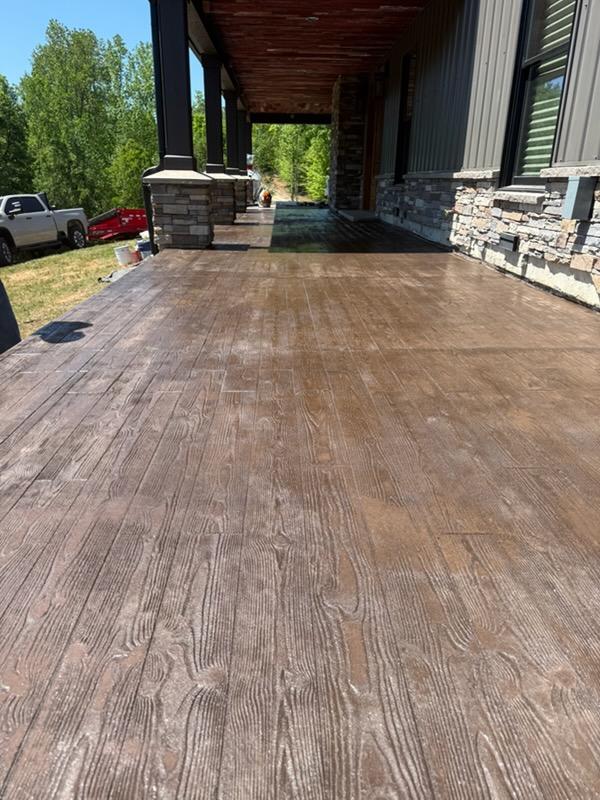
The Future of Infrastructure: How Concrete is Leading the Way in Urban Development Mar 25, 2026
Concrete's versatility has long been its defining feature, allowing architects and builders to design innovative structures that fulfill both aesthetic and functional needs. One of its standout qualities is its durability, which ensures long-lasting structures that require less frequent repairs. This inherent property makes concrete an ideal choice for urban infrastructure projects, helping cities conserve resources over the long term.
In terms of sustainability, concrete has made significant strides. The development of new formulas and advanced techniques has allowed for the production of eco-friendly concrete, which contributes to reduced carbon emissions. By using local materials, reducing energy consumption in production, and incorporating recycled aggregates, concrete used in urban development is becoming an environmentally responsible choice. This shift not only proves beneficial for the planet but also aligns with the growing demand for green building solutions.
Furthermore, concrete's adaptability extends to its role in supporting emerging urban trends. The trend toward smart cities, characterized by interconnected technologies and infrastructure, sees concrete playing a crucial role. Not only does it serve as the backbone for physical structures, but it also integrates well with technology like smart sensors and grids. Enhanced with sensors, concrete can monitor its own condition, providing real-time data to predict wear and tear, thus optimizing maintenance and safety.
The role of concrete in combating climate change cannot be understated. With its inherent thermal mass, concrete helps regulate temperatures in buildings, reducing the need for artificial heating and cooling. This property translates into energy savings, lower utility costs, and a smaller carbon footprint—a crucial factor as urban areas become denser and more populated.
On the innovation frontier, concrete continues to break barriers. Self-healing concrete, an exciting advancement, uses bacteria embedded in the material to seal cracks without human intervention. This innovation significantly prolongs the lifespan of structures and reduces maintenance costs, showcasing how concrete is not just responding to the present needs but anticipating future demands.
As cities worldwide grapple with challenges like population growth and infrastructure degradation, the role of concrete becomes even more vital. DH Construction & Concrete is committed to leveraging these advancements to support the creation of cities that are not only vibrant and thriving but also sustainable and efficient. By investing in research and adopting cutting-edge techniques, we are equipped to provide solutions that are both innovative and practical.
In conclusion, as the world moves towards a future where urban development must align with sustainability goals, concrete will remain a key player. Its versatility, durability, and evolving eco-friendly characteristics position it as a cornerstone of future infrastructure. At DH Construction & Concrete, we are excited to be part of this transformation, ushering in an era where concrete not only builds structures but also supports the kind of urban growth that prioritizes the planet and the people.
/filters:no_upscale()/filters:format(webp)/media/7ed80fa4-3eec-4ce4-8d54-0e7557c11dff.jpeg)
/filters:no_upscale()/filters:format(webp)/media/9ead1471-5b96-4b9a-806d-f1ea92b3abdf.jpeg)