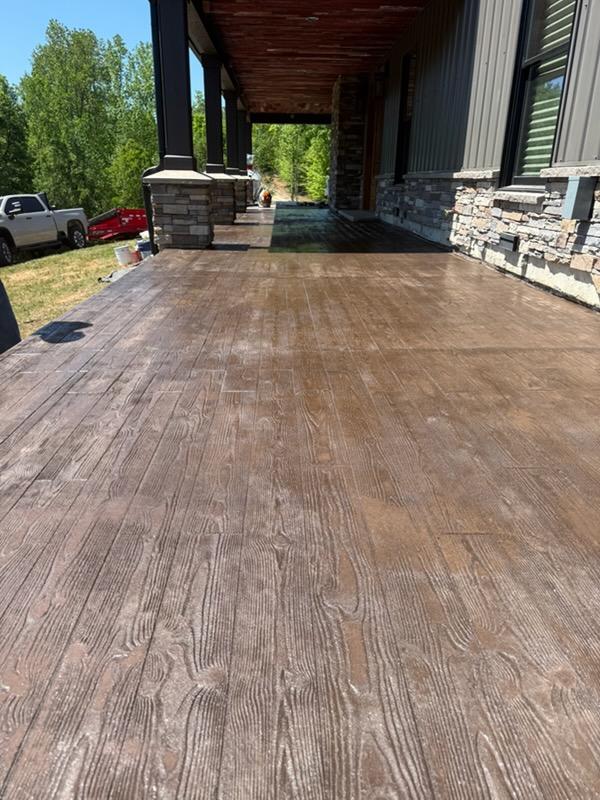
The Integral Role of Concrete in Designing Energy-Efficient Buildings May 02, 2026
In the journey toward constructing energy-efficient buildings, the thermal mass of concrete stands out as a significant factor. Thermal mass refers to a material's ability to absorb, store, and release heat. Concrete excels in this area, making it ideal for regulating indoor temperatures. During the day, concrete absorbs heat from sunlight, keeping interiors cool, and at night, it releases the stored heat, reducing the need for additional heating. This cyclical thermal performance minimizes reliance on mechanical heating and cooling systems, significantly lowering energy consumption.
Furthermore, concrete's durability and longevity contribute to its role in sustainable construction. Buildings made with concrete require less maintenance and have a longer lifespan compared to those constructed with other materials. This longevity means fewer resources are needed for repairs or replacements, ultimately reducing environmental impact. At DH Construction & Concrete, we emphasize the use of high-quality concrete mixes that not only enhance structural integrity but also support long-term sustainability goals.
Another compelling aspect of concrete is its contribution to insulation when used in tandem with other materials. Concrete walls can be part of an insulated concrete form (ICF) system, where the concrete is sandwiched between layers of insulating foam. This combination significantly improves a building’s insulation, which reduces energy loss and enables better management of heating and cooling energy. Optimizing this setup can result in a substantial decrease in a building's energy footprint.
Moreover, sustainable concrete manufacturing practices are becoming more prevalent, and at DH Construction & Concrete, we are at the forefront of these innovations. By incorporating recycled materials such as fly ash or slag, we reduce the demand for raw materials, decrease emissions from concrete production, and lower the overall carbon footprint of our projects. Choosing sustainable concrete solutions not only supports ecological initiatives but also fulfills consumer demand for greener building options.
Incorporating innovative design strategies with concrete also plays a vital role in enhancing energy efficiency. Architectural features like exposed concrete walls and floors can be designed to maximize natural lighting, further reducing the need for artificial lighting during daylight hours. Additionally, reflecting light off concrete surfaces can contribute to better-distributed natural light within a space, improving ambient conditions while cutting down on energy usage.
In conclusion, concrete is not just a material for constructing buildings; it is a cornerstone of energy-efficient design. By leveraging its thermal mass, durability, and enhanced insulation capabilities, concrete is perfectly suited to meet modern-day energy challenges. At DH Construction & Concrete, we are committed to advancing sustainable building practices and championing the use of concrete in creating energy-efficient structures. As more projects embrace these principles, the resulting impact on energy savings and environmental sustainability is both significant and necessary for a greener future. Let us help you build more than just structures—let us help you build a sustainable, energy-efficient future.
/filters:no_upscale()/filters:format(webp)/media/7ed80fa4-3eec-4ce4-8d54-0e7557c11dff.jpeg)
/filters:no_upscale()/filters:format(webp)/media/9ead1471-5b96-4b9a-806d-f1ea92b3abdf.jpeg)