Unveiling the Strength of Concrete: What Makes It the Backbone of Modern Construction Feb 22, 2026
Concrete's unparalleled durability is one of its most compelling attributes. This material is capable of withstanding the harshest environmental conditions, from extreme temperatures to heavy traffic and corrosive elements. Its longevity means that structures like bridges, roads, and buildings can endure for decades with minimal maintenance, offering a cost-effective solution for developers and reducing the need for frequent repairs.
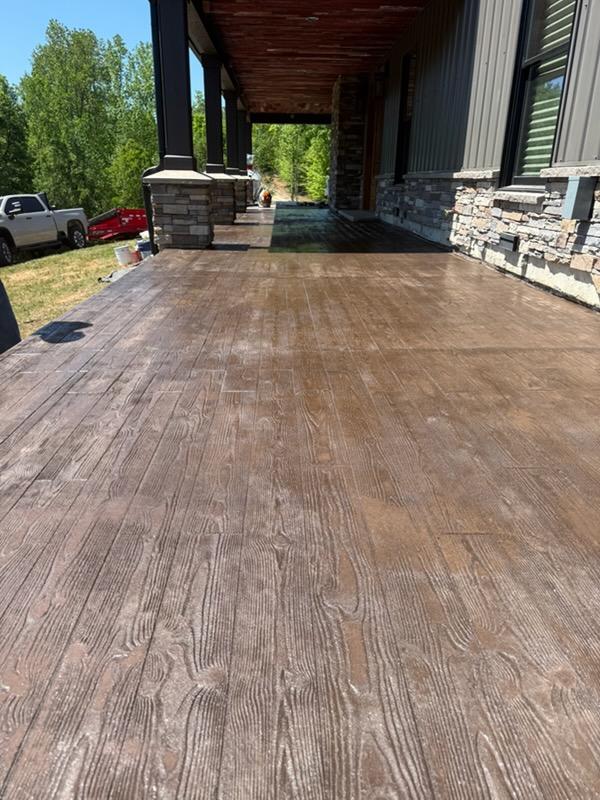
Another advantage of concrete is its remarkable versatility. With a diverse array of mix designs and the ability to be molded into any shape or size, concrete can be customized for a variety of construction applications. From skyscrapers to residential flooring, concrete’s flexibility makes it suitable for numerous projects, big or small. The ability to adjust concrete’s properties—such as strength, density, and appearance—by altering its composition allows construction companies to meet specific project requirements with ease.
Concrete also boasts impressive compressive strength, meaning it can bear substantial loads without cracking. This strength is crucial for constructing the foundations of modern infrastructure, ensuring the stability and robustness of buildings and other edifices. By incorporating steel reinforcement, often referred to as reinforced concrete, the tensile strength is significantly enhanced, offering even greater reinforcement and longevity.
The sustainability of concrete further elevates its status within the construction industry. Concrete production often utilizes local and recycled materials, which reduces the carbon footprint associated with transporting raw materials over long distances. Innovations such as eco-friendly admixtures and supplementary cementitious materials enhance concrete's sustainability, aligning construction practices with growing environmental consciousness.
Furthermore, concrete offers excellent thermal mass properties, providing energy efficiency benefits. Buildings constructed with concrete can better regulate indoor temperatures, drastically reducing the need for excessive heating and cooling. This energy efficiency not only helps in combating climate change but also brings long-term economic savings for property owners.
As part of a strategic investment in the future, the continued innovation in concrete technology is paving the way for further advancements in how construction projects are executed. Self-healing concrete, which can repair its own cracks, and ultra-high-performance concrete, known for its exceptional strength and durability, are transforming possibilities within the industry.
In conclusion, the unrivaled benefits of concrete, ranging from its enduring strength and adaptability to its contribution toward sustainable development, highlight why it remains the backbone of modern construction. Companies like DH Construction & Concrete leverage these intrinsic qualities to deliver resilient, adaptable, and environmentally conscious construction solutions. As the world of construction continues to evolve, concrete’s role as a foundational element in building the future remains as crucial as ever. Whether you're a homeowner planning a renovation or a large-scale developer, understanding the advantages of concrete can greatly inform and improve your construction outcomes.
/filters:no_upscale()/filters:format(webp)/media/7ed80fa4-3eec-4ce4-8d54-0e7557c11dff.jpeg)
/filters:no_upscale()/filters:format(webp)/media/9ead1471-5b96-4b9a-806d-f1ea92b3abdf.jpeg)