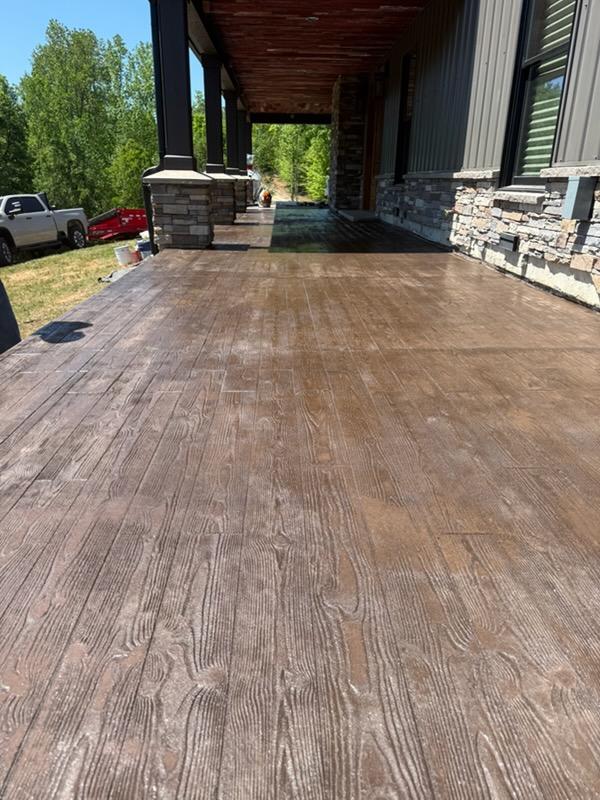
Weathering the Storm: How Concrete Structures Provide Resilience Against Natural Disasters Mar 07, 2026
Concrete is renowned for its ability to endure harsh environmental conditions, making it an ideal material for areas prone to natural disasters. Its inherent strength and solidity mean that concrete can withstand high winds, torrential rains, and even seismic activities better than many other construction materials. This resilience is crucial in safeguarding homes, commercial buildings, and critical infrastructure.
One of the primary benefits of concrete structures in the face of natural disasters is their resistance to wind damage. Hurricanes and tornadoes, for instance, pose significant threats to conventional wooden structures, which are often unable to withstand intense winds. In contrast, concrete buildings offer superior protection due to their weight and rigidity. They are less prone to lifting and are capable of maintaining their integrity under pressure.
Additionally, concrete's fire resistance is a vital characteristic, especially in the wake of wildfires that have devastated communities worldwide. Unlike wood, which is flammable, concrete does not ignite, helping to prevent the spread of fire and offering a safe haven for occupants. This fireproof nature of concrete is particularly beneficial for public buildings and residential homes seeking to reduce fire-related risks.
Flooding is another critical concern for many regions, and concrete structures can act as a formidable barrier against water intrusion. The density of concrete makes it less permeable than other materials, reducing the likelihood of water damage and the costly repairs that follow. Moreover, concrete can be engineered to include water-repelling additives, further enhancing its ability to guard against floods.
In seismic zones, the flexibility and strength of reinforced concrete can offer critical protection. Buildings constructed with reinforced concrete are designed to absorb and dissipate seismic energy, reducing the potential for catastrophic failure. This attribute is essential for saving lives and minimizing damage during earthquakes.
Beyond its practical benefits, concrete contributes to sustainability, an increasingly important consideration in modern construction. Concrete's energy efficiency and ability to be recycled contribute to its environmental credentials. Its long lifespan reduces the need for frequent repairs and replacements, further decreasing its environmental impact.
For those considering new construction or retrofits in regions vulnerable to natural disasters, DH Construction & Concrete offers expertise in designing and building with concrete. Our commitment to using high-quality materials and advanced construction techniques ensures that our structures not only withstand adverse conditions but also provide long-term value.
In conclusion, as climate-related challenges become more prevalent, the choice of construction materials plays a crucial role in disaster preparedness and resilience. Concrete structures provide indispensable protection in the face of hurricanes, wildfires, floods, and earthquakes. By opting for concrete, communities and property owners can invest in the future security and physical durability of their buildings. At DH Construction & Concrete, we are dedicated to building safer, more resilient structures that can weather any storm.
/filters:no_upscale()/filters:format(webp)/media/7ed80fa4-3eec-4ce4-8d54-0e7557c11dff.jpeg)
/filters:no_upscale()/filters:format(webp)/media/9ead1471-5b96-4b9a-806d-f1ea92b3abdf.jpeg)